

This post may contain affiliate links. As an Amazon Associate, I earn from qualifying purchases. Doing so allows me to create more unique content and recipes for you.
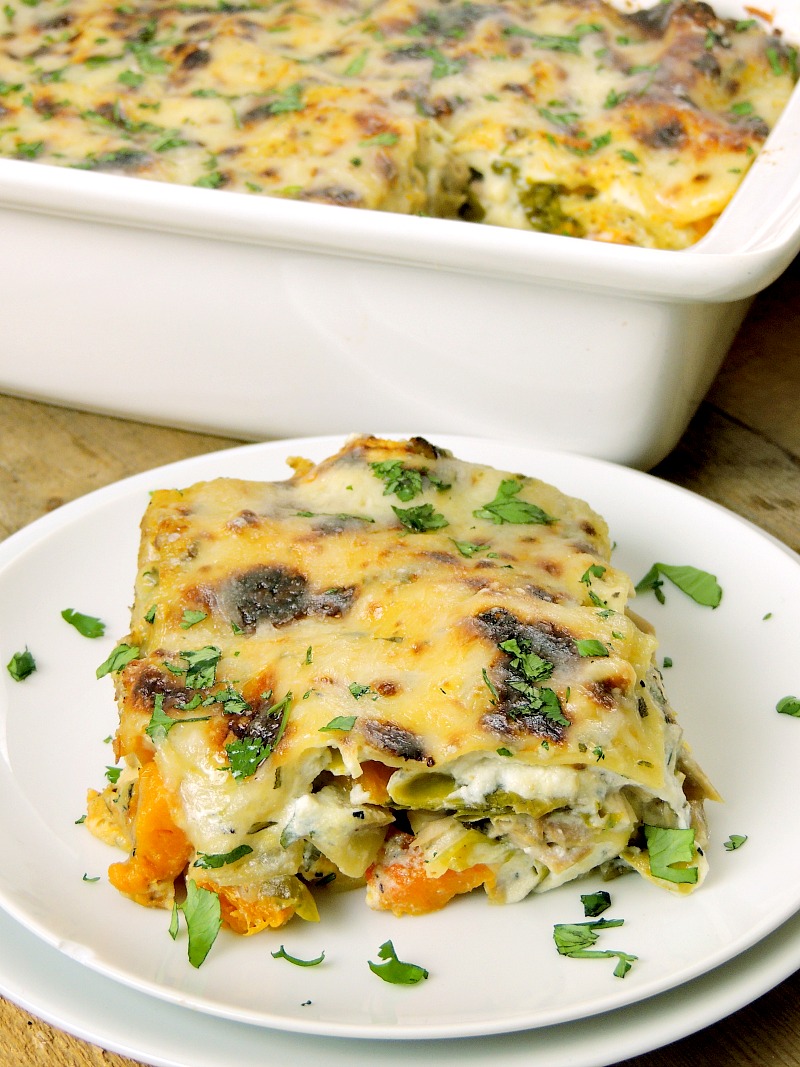
Transform your leftover turkey into a mouthwatering meal with this Low-Carb Turkey Lasagna! A comforting and satisfying dish, this keto-friendly lasagna features layers of turkey, roasted butternut squash, and Brussels sprouts—all nestled between low-carb lasagna noodles. Topped with a rich, creamy sauce and melty cheese, this lasagna is the perfect way to use up your holiday leftovers without sacrificing flavor. Whether you have leftover turkey from Thanksgiving or just want a hearty, low-carb dinner, this dish is sure to impress!
Join my newsletter and never miss a recipe!
In This Post
Why You'll Love This Low-Carb Turkey Lasagna Recipe
- Perfect for Leftovers: This recipe transforms your leftover turkey, roasted butternut squash, and Brussels sprouts into a hearty, comforting meal, helping you reduce food waste and enjoy a new dish.
- Keto-Friendly & Low-Carb: Made with low-carb pasta, this dish fits perfectly into your keto or low-carb lifestyle. It's a great option for those who want to enjoy comfort food without the carbs.
- Full of Flavor: Despite being a lower-carb version of lasagna, this dish is packed with bold flavors from fresh herbs like sage and thyme, plus rich ingredients like ricotta cheese and heavy cream. Every bite is creamy, cheesy, and utterly satisfying.
Low-Carb Turkey Lasagna: A Delicious Way to Use Leftover Turkey
The Magic of Leftover Turkey
As much as we all love a good turkey dinner, sometimes there’s just too much leftover turkey to handle, right? If you find yourself staring at a fridge full of turkey after a big family feast, this Low-Carb Turkey Lasagna is the ultimate solution to turning those leftovers into something truly delicious. Packed with flavors from roasted Brussels sprouts, butternut squash, and a rich, creamy sauce, this dish is sure to satisfy your comfort food cravings without throwing you off track from your low-carb lifestyle.
What I love about this lasagna is how easy it is to make and how it makes perfect use of the tons of leftovers in the fridge. The creamy sauce is perfectly balanced with the savory turkey, and the low-carb lasagna noodles hold up just like the traditional version, making it the perfect dish for those on a keto or low-carb diet.
If you're looking for a way to mix things up and give your leftovers new life, this Low-Carb Turkey Lasagna is the answer. With layers of flavorful turkey, creamy ricotta cheese, and a blend of fresh herbs, you'll never think of leftovers the same way again.
This Low-Carb Turkey Lasagna can easily be made with leftover turkey or rotisserie chicken—perfect for using up whatever protein you have on hand. Whether you're making it after the holidays or for a quick weeknight meal, this versatile dish can be enjoyed year-round!
🍽️✨ Don't forget to share your delightful creations with us on Instagram using #BobbisKozyKitchen for a chance to be featured in our newsletter! 📸
🥘Low-Carb Turkey Lasagna Ingredient Notes
Here, I explain the best ingredients for my Low-Carb Turkey Lasagna recipe, what each one does, and substitution options. For the exact measurements, see the recipe card below.

Olive Oil and Butter: These fats form the base for cooking the onion and garlic, creating a flavorful start for the sauce. The olive oil adds a slightly fruity taste, while the butter adds richness.
Substitution: You can substitute the butter with ghee or coconut oil for a dairy-free version.
Onion: Onions provide a sweet and savory flavor base for the sauce, adding depth to the dish.
Substitution: Shallots or leeks can be used for a milder, more delicate flavor.
Garlic: Garlic adds a fragrant, savory punch to the dish, enhancing the flavors of the herbs and sauce.
Substitution: Garlic powder or garlic paste can be used in place of fresh garlic if needed.
Fresh Sage and Fresh Thyme: These herbs bring a warm, earthy flavor to the dish, complementing the turkey and squash beautifully.
Substitution: Dried sage and thyme can be used (1 teaspoon dried = 1 tablespoon fresh), but fresh herbs have a brighter, more vibrant flavor.
Turkey (or Chicken) Bone Broth: Bone broth adds richness and depth to the sauce, giving it a savory base that enhances the turkey.
Substitution: If you don't have bone broth on hand, you can use store-bought chicken broth or vegetable broth. Please note that they can be higher in carbs.
Heavy Cream: This creamy ingredient adds a velvety texture to the sauce and helps balance the flavors of the vegetables and turkey. Substitution: Any plant-based milk can be used for a dairy-free version.
Xanthan Gum: Xanthan gum is used as a thickening agent to create a smooth, rich sauce.
Substitution: Arrowroot powder or guar gum can be used as alternatives to xanthan gum for a similar effect. Please note that they are higher in carbs.
Low-Carb Lasagna Noodles: These noodles serve as the traditional base for this lasagna. They absorb the sauce and hold all the layers together.
Substitution: Hearts of palm noodles or zucchini slices can be used for a lower-carb version, though the texture will differ.
Leftover Turkey: Using leftover turkey gives this dish a unique, flavorful twist, making it the perfect use for those holiday leftovers.
Substitution: Rotisserie chicken or even ground chicken can easily replace turkey in this dish for a quick weeknight meal.
Roasted Butternut Squash: The roasted squash adds sweetness and a smooth texture to the lasagna, balancing the savory turkey and vegetables.
Substitution: Sweet potatoes or pumpkin can be used instead of butternut squash, though they may have slightly more carbs.
Brussels Sprouts: These roasted Brussels sprouts add texture and a slightly bitter flavor that contrasts nicely with the richness of the sauce.
Substitution: Kale, spinach, or roasted zucchini can replace Brussels sprouts if preferred.
Ricotta Cheese: Ricotta provides creaminess and a slightly sweet flavor, making it the perfect layer between the savory turkey and sauce.
Substitution: Cottage cheese can be used instead of ricotta for a slightly different texture, or a dairy-free ricotta can be used as a vegan option.
Italian Cheese Blend: This blend of mozzarella, cheddar, and other cheeses melts beautifully, creating a bubbly and golden topping.
Substitution: You can use all mozzarella cheese or a blend of your favorite cheeses, such as provolone, parmesan, or sharp cheddar.
Fresh Parsley: Parsley adds a fresh, bright pop of color and a mild flavor that balances the lasagna's richness.
Substitution: Fresh basil or oregano can also work as garnishes if you prefer a different flavor.
The printable recipe card at the bottom of the page contains a detailed list of measurements and instructions.
Storing and Reheating Your Low-Carb Turkey Lasagna
Storage Instructions:
- Refrigerator:
Once the lasagna has cooled to room temperature, cover it tightly with plastic wrap or aluminum foil. Store it in the refrigerator for up to 3-4 days. - Individual Servings:
To store individual servings, place them in airtight containers or wrap them tightly with plastic wrap and store them in the fridge for up to 3-4 days.
Reheating Instructions:
- Oven:
To reheat the lasagna in the oven, preheat it to 350°F (175°C). Remove any plastic wrap or foil and cover the lasagna with aluminum foil to prevent it from drying out. Bake for 20-30 minutes until heated through. If the lasagna has been in the fridge for a few days, it may need a little more time. For a crispy top, remove the foil for the last 5 minutes of baking. - Microwave:
For a quicker reheat, place individual servings on a microwave-safe plate. Cover with a damp paper towel to prevent the lasagna from drying out. Microwave on high for 1-2 minutes (for individual servings) or 3-5 minutes (for larger portions), or until heated all the way through. - Stovetop (for individual servings):
If you prefer using the stovetop, heat the lasagna in a covered skillet over medium heat. Add a splash of chicken broth or water to prevent the lasagna from sticking and to keep it moist. Stir occasionally and heat for 5-10 minutes until fully warmed.
Freezing Instructions:
- To Freeze the Whole Lasagna:
Allow the lasagna to cool completely after cooking. Wrap it tightly in plastic wrap, followed by aluminum foil, ensuring there are no air pockets. You can also place it in a freezer-safe, airtight container. Freeze for up to 2-3 months. When ready to serve, thaw it in the refrigerator overnight, then reheat as mentioned above. - To Freeze Individual Portions:
If you want to store individual servings, slice the lasagna and place each portion in a separate airtight container. Alternatively, wrap each portion tightly with plastic wrap and then with aluminum foil. These individual servings can be frozen for up to 2-3 months. To reheat, thaw the portion in the fridge overnight and follow the reheating instructions.
Thawing Instructions:
- For Frozen Whole Lasagna:
Let the frozen lasagna thaw in the fridge overnight. Once thawed, reheat it using the oven or microwave, as mentioned earlier. - For Frozen Individual Servings:
Remove individual servings from the freezer the night before and let them thaw in the fridge. If you are in a rush, you can also microwave them from frozen, but be sure to check that the lasagna is heated all the way through.
With these storage, reheating, and freezing instructions, you can keep your Low-Carb Turkey Lasagna fresh and delicious for several days or even weeks!

💭My Recipe Tips
1. Make Sure Your Noodles Are Fully Cooked:
If you're using low-carb noodles, ensure they are cooked according to the package instructions. Some low-carb lasagna noodles, like zucchini or other vegetable-based noodles, may release moisture during baking, so be sure to drain and pat them dry before layering.
2. Use Leftover Turkey or Rotisserie Chicken for Convenience:
This lasagna is the perfect way to repurpose leftover turkey from a holiday feast or even store-bought rotisserie chicken. Just shred the meat and layer it into your lasagna for an easy, time-saving option that still tastes delicious.
3. Adjust the Creamy Sauce for Your Taste:
If you prefer a thicker sauce, simply simmer it a little longer to allow it to reduce and thicken before layering it into the lasagna. You can also add a bit more heavy cream or cheese to make it extra creamy.
4. Customize the Veggies:
While Brussels sprouts and butternut squash add a great flavor and texture, feel free to swap them with other low-carb veggies, such as spinach, mushrooms, or zucchini. You can also roast the veggies ahead of time to save time during assembly.
5. Broil for a Crispy Top:
If you like your lasagna to have a crispy, golden-brown top, broil it for the last 2-3 minutes of baking. Just be sure to watch it closely to prevent burning!
6. Let It Rest Before Serving:
After baking, let the lasagna rest for 10-15 minutes before slicing. This allows the layers to set, making it easier to serve without the sauce running everywhere.
7. Make Ahead and Freeze:
This lasagna is great for meal prep! You can assemble it ahead of time, store it in the fridge for up to 2 days, or freeze it for later. If frozen, thaw overnight in the fridge and reheat as usual.
With these tips, your Low-Carb Turkey Lasagna will turn out perfectly every time! Enjoy the comfort of a classic lasagna without the carbs.
FAQ about Low-Carb Turkey Lasagna
Absolutely! While this recipe calls for leftover turkey, you can easily substitute it with rotisserie chicken, cooked ground chicken, beef, or even sausage for a different flavor profile. The creamy sauce will work beautifully with any of these meats!
Yes! This lasagna is perfect for make-ahead meals. You can assemble the lasagna, cover it tightly with foil, and freeze it for up to 3 months. When you’re ready to cook it, let it thaw overnight in the fridge, then bake as instructed. If baking from frozen, increase the baking time by 10-15 minutes.
You can swap out the Brussels sprouts and butternut squash for other low-carb vegetables like zucchini, mushrooms, or spinach. Be sure to cook or sauté them beforehand to remove excess moisture so your lasagna doesn’t get soggy.
🍽️What to Serve with Low-Carb Turkey Lasagna
1. Pair with a Fresh Salad
Serve this Low-Carb Turkey Lasagna with a refreshing green salad to balance the richness of the dish. A simple mixed greens salad with a tangy vinaigrette or a Caesar salad would work perfectly.
Suggested recipe links:
2. Add a Low-Carb Vegetable Side
Consider serving roasted or sautéed low-carb vegetables for a satisfying and nutritious side. Roasted Brussels sprouts, garlic butter green beans, or a cauliflower mash would pair perfectly with this hearty lasagna.
Suggested recipe links:
3. Serve with Keto Garlic Bread or Rolls
For a more complete meal, serve alongside some warm, crispy keto-friendly bread. Garlic bread or dinner rolls will complement the creamy lasagna and add some texture.
Suggested recipe links:
4. Pair with a Keto Soup
Serve the lasagna with a light, flavorful keto soup for a cozy, filling meal. A low-carb tomato basil soup or a creamy spinach and artichoke soup would make an excellent pairing.
Suggested recipe links:

More Delicious Ways to Use Leftovers...




Low-Carb Turkey Lasagna
Equipment
Ingredients
- 1 tbsp olive oil
- 1 tbsp butter
- 1 onion finely chopped
- 2 cloves garlic minced
- 1 tbsp + 1 teaspoon chopped fresh sage divided
- 3 tsp chopped fresh thyme divided
- 2 cups turkey bone broth can use chicken
- 1 1/2 cups heavy cream
- 1 tsp xanthan gum
- pink salt
- fresh cracked black pepper
- Fresh ground nutmeg
- 12 low carb lasagna noodles can use hearts of palm noodles for lower carbs
- 3 cups shredded leftover turkey
- 4 cups leftover roasted butternut squash or sweet potatoes
- 1 pound chopped leftover Brussels sprouts
- 8 ounces ricotta cheese
- 2 cups Italian cheese blend divided
- 3 tbsp chopped fresh parsley divided

Instructions
- Preheat oven to 375 degrees F and grease a 9 x 13 baking dish.
- In a large pot of salted water, boil the lasagna noodles per package instructions.
- Heat the oil and butter in a large skillet set over medium heat; cook onion, garlic, 1 tablespoon sage and 2 teaspoons thyme for about 5 minutes or until softened.
- Add the chicken stock and heavy cream, bring to a boil and then reduce to simmer.
- Whisk in the xanthan gum and continue simmering, whisking continuously until the sauce begins to thicken. *See Notes
- Add salt, pepper, and nutmeg to taste.
- In a medium bowl, combine the ricotta cheese, 1 1/2 cups of the Italian cheese blend, 1 teaspoon sage, 1 teaspoon thyme, and 2 tablespoons parsley.
- Drain the lasagna noodles and set them aside
- Spread 1/2 cup of the white sauce evenly over bottom of the baking dish.
- Place 4 noodles over sauce.
- Spread another cup of the gravy, half of the turkey, butternut squash, sprouts and ricotta over top.
- Repeat layers.
- Place remaining 4 noodles over top; spread remaining sauce evenly over top and sprinkle with remaining cheese.
- Cover tightly with foil; bake for 30 minutes. Remove foil and bake for 15 to 20 minutes or until the top is golden brown and filling is bubbling. If you like your lasagna browned more, broil for 2 or 3 minutes.
- Let stand for 10 minutes and sprinkle with fresh parsley before serving.
Notes
Disclaimer
Most of my recipes are low-carb (or keto) and gluten-free, but some are not. Please verify that a recipe fits your needs before using it. Recommended and linked products are not guaranteed to be gluten-free. Recipes may contain errors, so please use your common sense when following them. Nutritional information is provided as a courtesy and is approximate only. We cannot guarantee the accuracy of the nutritional information given for any recipe on this site. Erythritol carbs will not be included as it has a glycemic index of 0 (meaning it does not spike blood sugar) and it’s not metabolized. Net carbs are the total carbs minus fiber.
Nutrition
Food safety
- Cook to a minimum temperature of 165 °F (74 °C)
- Do not use the same utensils on cooked food, that previously touched raw meat
- Wash hands after touching raw meat
- Don't leave food sitting out at room temperature for extended periods
- Never leave cooking food unattended
- Use oils with a high smoking point to avoid harmful compounds
- Always have good ventilation when using a gas stove
See more guidelines at USDA.gov.
If you like this recipe, please leave a comment!
If you make this recipe, take a photo and share it on Instagram with the hashtag #BobbisKozyKtchn I love to see what you make. You might even make it into our newsletter!!
Thank you for reading and supporting the companies I partner with. Doing so allows me to create more unique content and recipes for you.
Leave a Reply